
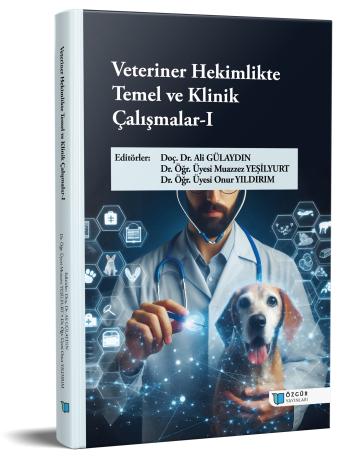
Sığırlarda Pasteurella Multocida Enfeksiyonlarının Tarihçesi, Etiyolojisi, Epidemiyolojisi, Patogenezi, Patolojisi, Klinik Bulguları, Tanısı ve Tedavisi
Şu kitabın bölümü:
Günaydın,
A.
&
Yeşilyurt,
M.
&
Yıldırım,
O.
(eds.)
2025.
Veteriner Hekimlikte Temel ve Klinik Çalışmalar-I.
Özet
Pasteurella multocida enfeksiyonları, sığırlarda önemli ekonomik kayıplara neden olan bakteriyel hastalıklar arasındadır. 19. yüzyılın sonlarında ilk kez tanımlanan bu etken, özellikle solunum sistemi hastalıkları ile ilişkilendirilmiş ayrıca bovin respiratuvar hastalık kompleksi içinde zamanla kritik bir rol oynadığı anlaşılmıştır. P. multocida, gram negatif olan, fakültatif anaerob özelliği gösteren ve kapsüllü yapıda bulunan bir kokobasildir. Bu bakteri beş kapsüler tür (A, B, D, E ve F) ile sınıflandırılmaktadır. En sık tip A ve B sığırlarda izole edilmekte olup bu serotipler hemorajik septisemi ile pnömoni tablolarından sorumlu olmaktadır. IBR), bağışıklık yetmezliği ve de eş zamanlı enfeksiyonlar rol oynamaktadır. IBR, BRSV ve PI3 gibi faktörler yanında bağışıklık durumu önemli rol oynamaktadır.
Bakterinin kapsüler yapısı patogenezde fagositozu engeller sayesinde. Lipopolisakkaritler de inflamasyonu başlatır doku yıkımına toksinlerle katkıda bulunur. Pnömoni, solunum yollarında kolonizasyona sebep olmakta bakteriyemi ise alveoler makrofajların tepkisiz kalmasıyla hemorajik septisemiye sebep olmaktadır. Akciğerlerde patolojik olarak fibrinli, hemorajik ve nekrotik lezyonlar görülmektedir. Klinik bulgular arasında ateş durumu, öksürük hali, depresyon hissi ve iştahsızlık durumu yer almaktadır. Ani ölümler ile birlikte hızlı seyirli olgularda nazal akıntı da görülebilir.
Tanıda bakteriyolojik kültür, serotiplendirme ve PCR yöntemleri kullanılmaktadır. Direnç sorunları göz önünde bulundurulmalı, tedavide antibiyotikler sayesinde (tetrasiklinler, florokinolonlar, sefalosporinler) etkili olmaktadır. Koruyucu hekimlik alanında aşılama çok temel bir yaklaşımdır. Stres faktörlerinin kontrol edilmesi de bir o kadar önemlidir.
Sonuç olarak P. multocida enfeksiyonları, tanı ve kontrolü için multidisipliner bir yaklaşım gerektiren ve patogenezinde çevresel ayrıca immün faktörlerin rol oynadığı sığırlarda solunum sağlığını tehdit eden önemli bir enfeksiyondur.
Anahtar Kelimeler:
Kaynakça Gösterimi
Lisans

Bu çalışma Creative Commons Attribution-NonCommercial 4.0 International License ile lisanslanmıştır.
Yayın Tarihi
DOI
Kategoriler
Telif Hakkı (c) 2025 Ali Günaydın- Muazzez Yeşilyurt- Onur Yıldırım; Büşra Kibar Kurt- Ezgi Sude Aybak- Berfin Petek- Mustafa Barış Akgül- Mehmed Berk Toker- Vedat Baldaz- Emin Can İlik- Tekin Şahin- Tolga Meriç Dümbek- Osman Bulut- Mehmet Ali Erfidan- Doğan Can Haney- Turan Civelek- Erdal Polat- Ayfer Fındık Pakrooh- Mahsum Başak- Gülşah Akgül- İkram Selçuk Virdil- Berrah Gözegir- Yavuz Selim Sağlam- İsmail Bolat