
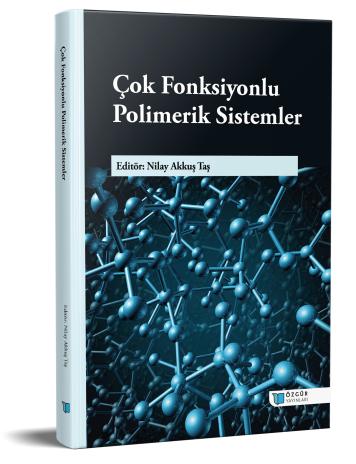
Enerji Uygulamaları İçin Polimer–MOF’lar (Metal-Organik İskeletler)
Şu kitabın bölümü:
Akkuş Taş,
N.
(ed.)
2025.
Çok Fonksiyonlu Polimerik Sistemler.
Özet
Sürdürülebilir enerji çözümlerine artan talep, enerji depolama ve dönüşümü için ileri malzemelerin araştırılmasını teşvik etmiştir. Geleneksel malzemeler sıklıkla düşük yüzey alanı, sınırlı ayarlanabilirlik ve sınırlı mekanik stabilite gibi kısıtlamalarla karşı karşıyadır. Metal-organik çerçeveler (MOF’lar) ve polimer bazlı hibritleri bu konuda çok yönlü bir çözüm sunar. MOF’lar yüksek yüzey alanı, ayarlanabilir gözeneklilik ve çok işlevli özellikler sağlayarak piller, süperkapasitörler, gaz adsorpsiyonu ve fotokataliz gibi uygulamalara uygun hâle gelir.
Polimerler ise esneklik, kimyasal ayarlanabilirlik ve işlenebilirlik katarak MOF hibritlerinde mekanik stabiliteyi ve arayüz uyumluluğunu artırır. Bu polimer–MOF malzemeler, MOF’un gözenekliliği ve aktivitelerini polimerin iletkenliği ve dayanıklılığı ile sinerjik şekilde birleştirerek iyonik/elektronik taşıma, döngü stabilitesi ve yapısal sağlamlığı iyileştirir. Uygulama alanları arasında gaz depolama ve ayrım (H₂, CH₄, CO₂), enerji depolama, enerji dönüşümü (yakıt hücreleri, fotokataliz) ve katalitik süreçler yer alır.
Potansiyeline rağmen, uzun dönem stabilite, ölçeklenebilir sentez, tekrarlanabilirlik ve MOF’un intrinsik iletkenliği hâlâ önemli zorluklar olarak durmaktadır. Gelecek yönelimler arasında esnek/giyilebilir cihazlar, katı elektrolitler, 2D veya katmanlı MOF’lar, çevre dostu sentez yöntemleri ve çok işlevli hibritler öne çıkmaktadır. Bu zorlukların aşılması, polimer–MOF hibritlerinin sürdürülebilir ve yüksek performanslı enerji teknolojileri için temel malzemeler hâline gelmesini sağlayacaktır.
Anahtar Kelimeler:
Kaynakça Gösterimi
Lisans

Bu çalışma Creative Commons Attribution-NonCommercial 4.0 International License ile lisanslanmıştır.
Yayın Tarihi
DOI
Kategoriler
Telif Hakkı (c) 2025 Nilay Akkuş Taş; Mustafa Ersin Pekdemir- Serpil Yalçın Kuzu- Sibel Selçuk Pekdemir- Umut Çelikoğlu- Recep Taş- Hüseyin Akbaş- Derya Kahraman Döğüşcü- Nilay Akkuş Taş- Nihal Deligönül