
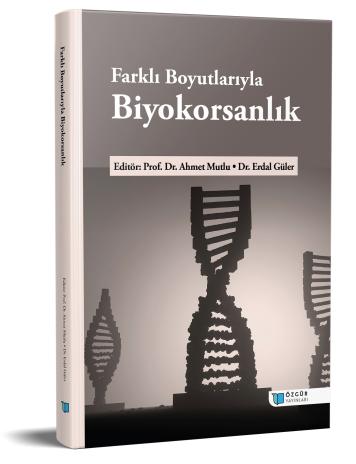
Biopiracy of Zoological Resources
Chapter from the book:
Mutlu,
A.
&
Güler,
E.
(eds.)
2025.
Biopiracy in its Various Dimensions.
Synopsis
Intensifying scientific and commercial demand for zoological organisms is accelerating the diversification of biopiracy pathways, driven both by the cross-border movement of physical specimens and the rapidly expanding digital circulation of genomic information. Escalating market dynamics render high-value taxa increasingly visible within research, trade, and data-production chains, thereby amplifying the uncontrolled mobility of biological materials. This study aims to conceptually delineate the exploitative practices arising from the unauthorized acquisition, commercialization, and unregulated transfer of derivative biological information. The analytical approach integrates critical domains—including international wildlife trade flows, scientific collection practices, and the transboundary movement of digital sequence data—to illuminate the structural dimensions of zoological biopiracy. The findings demonstrate that species with high economic value face intense pressures due to live-animal trafficking, toxin- and peptide-driven research demands, and rapid molecular data-generation pipelines. Ethical inconsistencies in specimen collection and the global dissemination of molecular sequences without the physical transfer of material generate additional risks that undermine the traceability of species. Divergent interpretations of access-and-benefit-sharing frameworks, debates surrounding the legal status of derivative information, and inconsistent national standards further complicate biopiracy patterns. The overall synthesis indicates that zoological biopiracy constitutes a multilayered challenge linked to ecological degradation, competing economic interests, and governance mismatches. Strengthening traceability mechanisms, enhancing transparency across data-production chains, institutionalizing ethical compliance, and building local capacity emerge as essential priorities. The study concludes that the sustainable and legitimate use of zoological resources can only be achieved through a coherent, enforceable, and operational governance architecture.
How to cite this book
License

This work is licensed under a Creative Commons Attribution-NonCommercial 4.0 International License.
Published
DOI
Categories
Copyright (c) 2025 Ahmet Mutlu- Erdal Güler; Erdal Güler- Ümit İncekara- Ahmet Mutlu- Belkıs Muca Yiğit- İlker Çinbilgel- Bahadır Akman- Erdem Seven- Tamer Soysal- Tuğba Canatan Akıcı- Helin Ayaz- Yasemin Tekin- Hasan Genç- Huriye Deniş Çeliker