
Sürdürülebilir Kalkınma Politikaları ve Avrupa Yeşil Mutabakatı Bağlamında Organize Sanayi Bölgelerinin Yeşil Dönüşümü: Çanakkale Örneği
Şu kitabın bölümü:
Turan,
V.
(ed.)
2025.
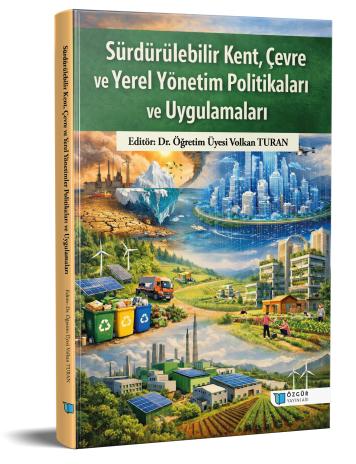
Sürdürülebilir Kent, Çevre ve Yerel Yönetimler Politikaları ve Uygulamaları.
Özet
Sanayi Devrimi sonrasında hızla artan üretim faaliyetleri, doğal kaynakların bilinçsiz ve verimsiz şekilde tüketilmesine yol açarak çevresel tahribatın derinleşmesine neden olmuştur. Bu süreç, ekosistemin doğal dengesini bozmuş ve tüm canlıların yaşamını tehdit eden küresel bir sorun haline gelmiştir. Ortaya çıkan bu olumsuzluklara karşı bir çözüm arayışı olarak geliştirilen Sürdürülebilir Kalkınma ilkesi, ekonomik büyümenin çevresel ve sosyal boyutlarla uyumlu şekilde ilerlemesi gerektiğini vurgulamaktadır. Bu çerçevede öne çıkan yaklaşımlardan biri olan yeşil dönüşüm, doğal kaynakların korunmasını, enerji verimliliğinin artırılmasını ve çevre kirliliğinin azaltılmasını temel alan yeni bir üretim modeline geçişi ifade etmektedir. Yeşil dönüşüm aynı zamanda ekonomik büyümeyi sürdürürken doğal sermayenin sürdürülebilir kullanımını, karbon emisyonlarının azaltılmasını ve döngüsel ekonominin yaygınlaştırılmasını amaçlayan bütüncül bir dönüşüm süreci olarak tanımlanmaktadır. Bu doğrultuda yeşil dönüşüm Avrupa Birliği’nin 2019 yılında duyurduğu Avrupa Yeşil Mutabakatı ile küresel ölçekte daha da önem kazanmıştır. Avrupa Yeşil Mutabakatı ile sınırda karbon düzenlemeleri, temiz enerji yatırımları ve sürdürülebilir üretim kriterleri gibi politikalar öne çıkmıştır. Türkiye Avrupa Birliğine tam üyelik sürecinde bulunmaktadır. Ayrıca, Avrupa Birliği ülkeleri ile yoğun ticari ilişkiler yürütmektedir. Buna bağlı olarak, Türkiye’nin Avrupa Yeşil Mutabakatının öngördüğü düzenlemelere uyumlu politikalar üretmesi gerekmektedir. Bu bağlamda, Türk sanayisinin lokomotifi olan Organize Sanayi Bölgelerinin değişen uluslararası koşullara uygun olarak yeniden yapılandırılması, hem ekonomik rekabet gücünün korunması hem de sürdürülebilir kalkınma hedeflerinin karşılanması açısından kritik öneme sahiptir. Türkiye’de bu sürece örnek olarak uygulamaya konan Yeşil Sanayi Projesi, Organize Sanayi Bölgelerinde çevresel sürdürülebilirliği esas alan üretim modelinin yaygınlaşmasına öncülük etmektedir. Türkiye’de sayısı 416’ya ulaşan Organize Sanayi Bölgelerinin 27 tanesi “Yeşil Organize Sanayi Bölgesi Sertifikası” almaya hak kazanmıştır. Türkiye’nin orta ölçekli kentlerinden biri Çanakkale’de ise faaliyette olan 3 Organize Sanayi Bölgesi bulunmaktadır. Çanakkale’deki örneklerde şu an Yeşil Organize Sanayi Bölgesi olarak tanımlayabileceğimiz bir bölge bulunmamakla beraber Ezine Gıda İhtisas Organize Sanayi Bölgesinin yeşil dönüşüm hedefine sahip olduğu tespit edilmiştir.
Anahtar Kelimeler:
Kaynakça Gösterimi
Lisans

Bu çalışma Creative Commons Attribution-NonCommercial 4.0 International License ile lisanslanmıştır.
Yayın Tarihi
DOI
Kategoriler
Telif Hakkı (c) 2025 Volkan Turan; Bilge Villi- A. Selçuk Köylüoğlu- Hale Girşen- Şermin Atak Çobanoğlu- Murat Küçükşen- Ceyda Kükrer Mutlu- Orhan Şahin- Bülent Bayrak- Eray Aktepe- Gülseren Günaydın- Serhat Saatci