
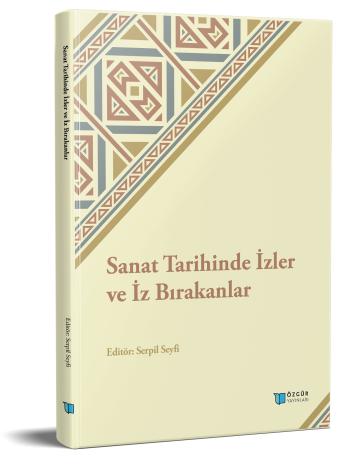
A Study on Ottoman Tombstones from The Central District of Balıkesir/Edremit
Chapter from the book:
Seyfi,
S.
(ed.)
2025.
Traces and Trailblazers in Art History.
Synopsis
Edremit, which preserves some of the earliest traces of Balıkesir’s historical and cultural development, has been recognized under Turkish rule since 1305. One of the earliest epigraphic indicators of this sovereignty is the gravestone dated AD 1300 belonging to Yusuf Sinan bin Habib, located in the Kurşunlu Mosque Cemetery. Edremit significantly reflects the development of Turkish gravestone tradition from the 14th to the 20th century. This study was conducted through the examination of twenty-three gravestones selected from three different locations: Edremit Central Cemetery, Ağa Mosque Cemetery, and Kurşunlu Mosque Cemetery. The selected gravestones were first evaluated typologically and later analyzed internally by classifying the forms of the headstones as “head,” “finial,” and “pediment.” In addition, ornamentation characteristics were examined, revealing the symbolic meanings of decorative motifs and the specific areas in which they were employed in detail. Lastly, the inscriptions on the gravestones were analyzed and classified according to the meanings they convey.
These monuments, which strongly reflect Edremit’s cultural continuity and heritage, are of great importance as they serve as a reference source for Ottoman gravestone studies within the discipline of art history, for literary studies through their epitaph texts, and for historical research through the valuable data they provide. Ultimately, the study concludes that Edremit is one of the most distinctive settlements reflecting Ottoman-period gravestone characteristics within the borders of Balıkesir.
How to cite this book
License

This work is licensed under a Creative Commons Attribution-NonCommercial 4.0 International License.
Published
DOI
Categories
Copyright (c) 2025 Serpil Seyfi; Demet Okuyucu- Aygül Uçar- Zeynep Özkan Tekneci- Hasan Uçar- Büşra Ayaz Buladı- Mücahit Gündoğan- Ahmet Ali Bayhan- Özgül Yıldırım Güneş