
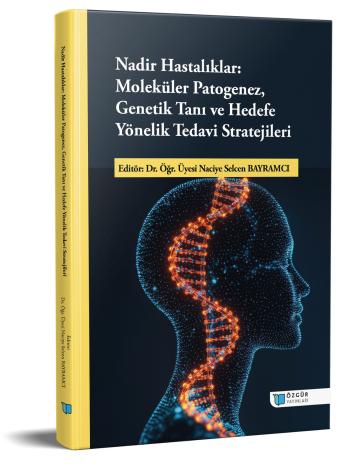
Evaluation of Rare Diseases from the Perspective of Health Law
Chapter from the book:
Bayramcı,
N.
S.
(ed.)
2026.
Rare Diseases: Molecular Pathogenesis, Genetic Diagnosis, and Targeted Therapeutic Strategies.
Synopsis
Rare diseases are chronic and generally genetic-origin diseases that, in addition to their low prevalence within society, have serious impacts on individuals’ right to life, right to health, and human dignity. The lengthy diagnostic processes, insufficiency of specialized healthcare centers, difficulties in accessing orphan drugs due to their high costs, and limited treatment options make rare diseases one of the areas of health law requiring special protection. Within the scope of this study, rare diseases have been examined from the perspective of health law in terms of the right to health, the legal liability of physicians, informed consent, and the protection of genetic data.
First, the study addresses the concept and basic characteristics of rare diseases. It has been demonstrated that these diseases are largely genetic in origin, that individuals often remain undiagnosed for long periods due to the difficulties of early diagnosis, and that they require special regulations within healthcare systems. In the context of the right to health, it has been evaluated that, pursuant to the principle of the social state, the state has an obligation to ensure individuals’ effective access to healthcare services; in particular, the expansion of specialized centers, the development of genetic screening programs, and the facilitation of access to orphan drugs are of great importance.
With regard to the legal liability of physicians, it is observed that the scientific uncertainties in the diagnosis and treatment of rare diseases complicate the assessment of liability; however, this situation does not eliminate the physician’s duty of care. It has been stated that physicians are required to request the necessary examinations, follow current medical developments, consult specialist opinions when necessary, and adequately and comprehensively inform patients. Furthermore, it has been noted that delayed diagnosis, misdiagnosis, and insufficient disclosure may give rise to physicians’ liability for pecuniary and non-pecuniary damages.
The study also examines the issue of informed consent in detail. It has been concluded that, due to experimental treatment methods, genetic tests, and clinical research in rare diseases, patients’ need for information becomes more extensive and that standard consent procedures are often insufficient. In particular, individualized and detailed information processes are considered necessary for pediatric patients, genetic analyses, and clinical research.
The protection of genetic data constitutes one of the main areas of examination in the study. It has been evaluated that genetic data indicate not only the individual’s current health condition but also future disease risks and sensitive information concerning family members; therefore, such data should be protected as special categories of personal data. Within the framework of the Turkish Personal Data Protection Law (KVKK), international human rights instruments, and the case law of the European Court of Human Rights, it has been emphasized that the unlawful processing or sharing of genetic data may lead to discrimination, stigmatization, and violations of fundamental rights.
In conclusion, it has been determined that rare diseases constitute not only a medical issue but also a multidimensional health law problem in terms of human rights, the principle of the social state, patient rights, and data security. In this regard, it has been concluded that it is of great importance to develop specific healthcare policies for rare diseases, increase the number of specialized centers, facilitate access to orphan drugs, strengthen genetic data security, and effectively protect patient rights.
How to cite this book
License

This work is licensed under a Creative Commons Attribution-NonCommercial 4.0 International License.
Published
DOI
Categories
Copyright (c) 2026 Naciye Selcen Bayramcı; Naciye Selcen Bayramcı- Filiz Turan- Dilan Yavuz- Filiz Karaoğlan- Rümeysa Demirkaya- Büşra Görgün- Bedrettin Selvi- Filiz Demir- Emel Canpolat- Berke Can Acar- Çağlar Berkel- Ergün Sümer