
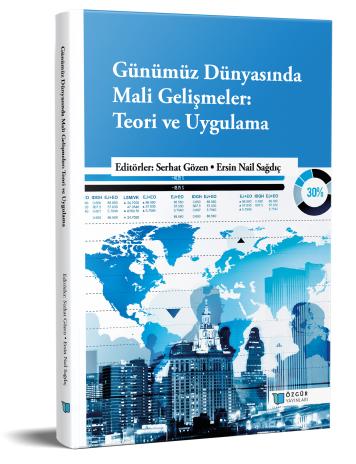
Küresel Çevre Kirliliği ile Mücadelede Uygulanan Mali Politikalar
Şu kitabın bölümü:
Gözen,
S.
&
Sağdıç,
E.
N.
(eds.)
2025.
Günümüz Dünyasında Mali Gelişmeler: Teori ve Uygulama .
Özet
Bu çalışma, çevre kavramını ekonomik ve sosyal açılardan ele alarak çevre kirliliğinin nedenlerini, sonuçlarını ve ekonomik yansımalarını incelemektedir. Hızlanan sanayileşme, nüfus artışı ve doğal kaynakların bilinçsizce tüketilmesi çevre sorunlarını şiddetlendirerek sürdürülebilir kalkınma hedeflerini tehlikeye atmaktadır. Bu nedenle, çevre politikalarının ekonomik araçlarla desteklenmesi kritik öneme sahiptir. Çalışma, çevrenin korunması amacıyla kullanılan çevre vergileri, harçlar, kamu harcamaları, sübvansiyonlar ve düzenleyici politikaların detaylı bir analizini sunmaktadır. Çevre vergileri, kirletici faaliyetlerin maliyetlerini artırarak çevreye duyarlı davranışları teşvik ederken; kamu harcamaları ve sübvansiyonlar çevre teknolojilerinin geliştirilmesine katkı sağlamaktadır. Ancak, mali araçların tek başına yeterli olmadığı; etkin bir çevre yönetimi için yasal düzenlemelerin, toplumsal farkındalığın ve uluslararası iş birliğinin de elzem olduğu vurgulanmaktadır. Sonuç olarak, çevre sorunlarının çözümünde ekonomik araçların doğru tasarımı ve uygulanması hem çevresel sürdürülebilirliğin sağlanması hem de ekonomik refahın korunması için temel bir gereklilik olarak değerlendirilmektedir.
Anahtar Kelimeler:
Kaynakça Gösterimi
Lisans

Bu çalışma Creative Commons Attribution-NonCommercial 4.0 International License ile lisanslanmıştır.
Yayın Tarihi
DOI
Kategoriler
Telif Hakkı (c) 2025 Serhat Gözen- Ersin Nail Sağdıç; Göksel Karaş- Hasan Hüseyin Aleçakır- Hatice Dayar- İlhan Korkmaz- Güner Tuncer- Ersin Nail Sağdıç- Fazlı Yıldız- Ebru Yalçın- Süleyman Emre Özcan- Özer Özçelik- Hatice Arslanparçası- Serhat Gözen- Ebru Karaş- Fatma Alkan- Gülistan Altıok- Meltem İrteş Gülşen - Betül Hayrullahoğlu