
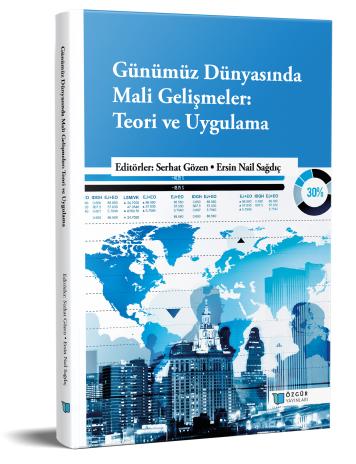
Anayasa Mahkemesi Kararlarında Sosyal Devlet İlkesi ve Vergilendirme
Şu kitabın bölümü:
Gözen,
S.
&
Sağdıç,
E.
N.
(eds.)
2025.
Günümüz Dünyasında Mali Gelişmeler: Teori ve Uygulama .
Özet
Bu çalışma, Anayasa Mahkemesi’nin vergilendirme alanına ilişkin 13 kararını sosyal devlet ilkesi çerçevesinde incelemektedir. Mahkeme, vergi düzenlemelerinin anayasal denetiminde sosyal devlet ilkesini yorumlarken, Anayasa’nın 73. maddesinde düzenlenen mali güce göre vergilendirme ile vergi yükünün adaletli ve dengeli dağılımı ilkelerini esas almaktadır. İncelenen kararlar, sosyal devlet ilkesinin hem varsayımsal ve ölçüsüz vergi yükümlülüklerini sınırlandıran hem de kamu yararını ve toplumsal dengeyi korumayı amaçlayan düzenlemeleri destekleyen bir anayasal referans noktası olarak kullanıldığını göstermektedir. Mahkeme; mali güç, eşitlik, hukuki güvenlik ve öngörülebilirlik ilkelerini sosyal devlet ilkesiyle birlikte değerlendirmekte ve vergilendirmenin mükellefin mali gücüyle uyumlu olması gerektiğini vurgulamaktadır. Sonuç olarak çalışma, sosyal devlet ilkesinin Mahkeme tarafından vergilendirme alanında hem sınırlandırıcı hem de yönlendirici işlevlere sahip dinamik bir anayasal norm olarak yorumlandığını ortaya koymaktadır.
Anahtar Kelimeler:
Kaynakça Gösterimi
Lisans

Bu çalışma Creative Commons Attribution-NonCommercial 4.0 International License ile lisanslanmıştır.
Yayın Tarihi
DOI
Kategoriler
Telif Hakkı (c) 2025 Serhat Gözen- Ersin Nail Sağdıç; Göksel Karaş- Hasan Hüseyin Aleçakır- Hatice Dayar- İlhan Korkmaz- Güner Tuncer- Ersin Nail Sağdıç- Fazlı Yıldız- Ebru Yalçın- Süleyman Emre Özcan- Özer Özçelik- Hatice Arslanparçası- Serhat Gözen- Ebru Karaş- Fatma Alkan- Gülistan Altıok- Meltem İrteş Gülşen - Betül Hayrullahoğlu