
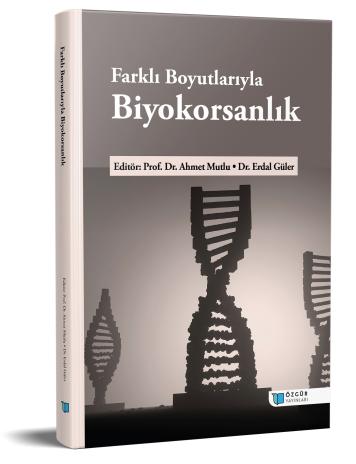
The Boundaries of Criminal Law in the Fight Against Biopiracy and the Biojustice Approach
Chapter from the book:
Mutlu,
A.
&
Güler,
E.
(eds.)
2025.
Biopiracy in its Various Dimensions.
Synopsis
The process extending from biosmuggling to biopiracy causes damage to biodiversity and leads to the loss of genetic resources and traditional knowledge that local communities have developed over centuries. Current positive legal regulations are insufficient in combating the problem of biopiracy. Although promising steps have been taken with international regulations to protect the rights of local communities, it is clear that the problem largely persists and that existing regulations are inadequate. This study also questions whether criminal law can be a tool to solve this problem, based on the inadequacy of intellectual property law systems. However, the limitations inherent in criminal law reveal its inadequacy in the face of the multi-actor, multi-layered, and transboundary nature of biopiracy. Furthermore, the use of law as a tool by dominant powers to protect their own interests, including criminal law and intellectual property law, highlights the need for an alternative ethical approach. The biojustice approach enables marginalized segments of society to make their voices heard and offers an inclusive and sustainable method of struggle with legal, administrative, ethical, and social reform proposals.
How to cite this book
License

This work is licensed under a Creative Commons Attribution-NonCommercial 4.0 International License.
Published
DOI
Categories
Copyright (c) 2025 Ahmet Mutlu- Erdal Güler; Erdal Güler- Ümit İncekara- Ahmet Mutlu- Belkıs Muca Yiğit- İlker Çinbilgel- Bahadır Akman- Erdem Seven- Tamer Soysal- Tuğba Canatan Akıcı- Helin Ayaz- Yasemin Tekin- Hasan Genç- Huriye Deniş Çeliker