
Sustainable Fashion Marketing: Consumer Perception and Brand Strategies
Chapter from the book:
Ceranoğlu Terece,
M.
(ed.)
2026.
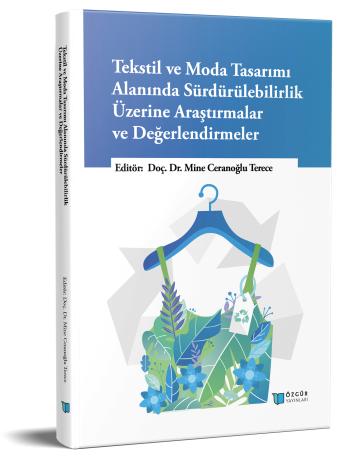
Research and Evaluations on Sustainability in Textile and Fashion Design.
Synopsis
In this study examines the concept of sustainable fashion marketing within the framework of consumer perception, brand strategies, and value creation processes. The environmental and social problems caused by fast fashion practices in the fashion industry have increased the importance of sustainability-oriented approaches. The sector’s negative impacts, including high carbon emissions, excessive water consumption, and waste generation, have made the transition to sustainable production and consumption models imperative. In this context, approaches such as ethical consumption, slow fashion, and the circular economy emerge as the fundamental components of sustainable fashion. From the perspective of consumer behavior, factors such as perceived value, level of knowledge, and the attitude–behavior gap are among the key determinants that directly influence the adoption of sustainable fashion products. Furthermore, in terms of brand strategies, digitalization, experiential marketing, and personalization practices deepen consumer–brand interaction, contributing both to the enhancement of perceived value and to stronger purchase intentions toward sustainable products.
How to cite this book
License

This work is licensed under a Creative Commons Attribution-NonCommercial 4.0 International License.
Published
DOI
Categories
Copyright (c) 2026 Mine Ceranoğlu Terece; Hülya Arabacı- Neslihan Demir- Merve Balkış- Emine Koca- Esra Enes- Nazan Özcan